
Kenya's Gentle Giants: Elephant Conservation in Kenya
Elephants shape the land they walk across. Protecting them in southern Kenya means protecting the people who live beside them.
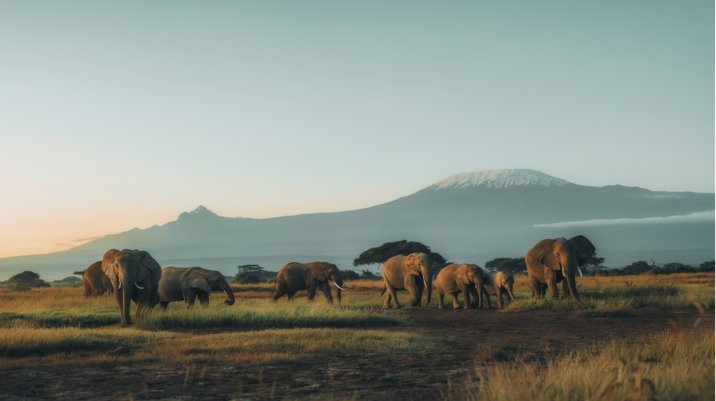
Elephants are the architects of the East African bush. They open paths through thicket, dig for water in dry riverbeds and spread seeds across the plains. Where they thrive, the whole ecosystem thrives with them.
Living with Wildlife: Community and Conservation
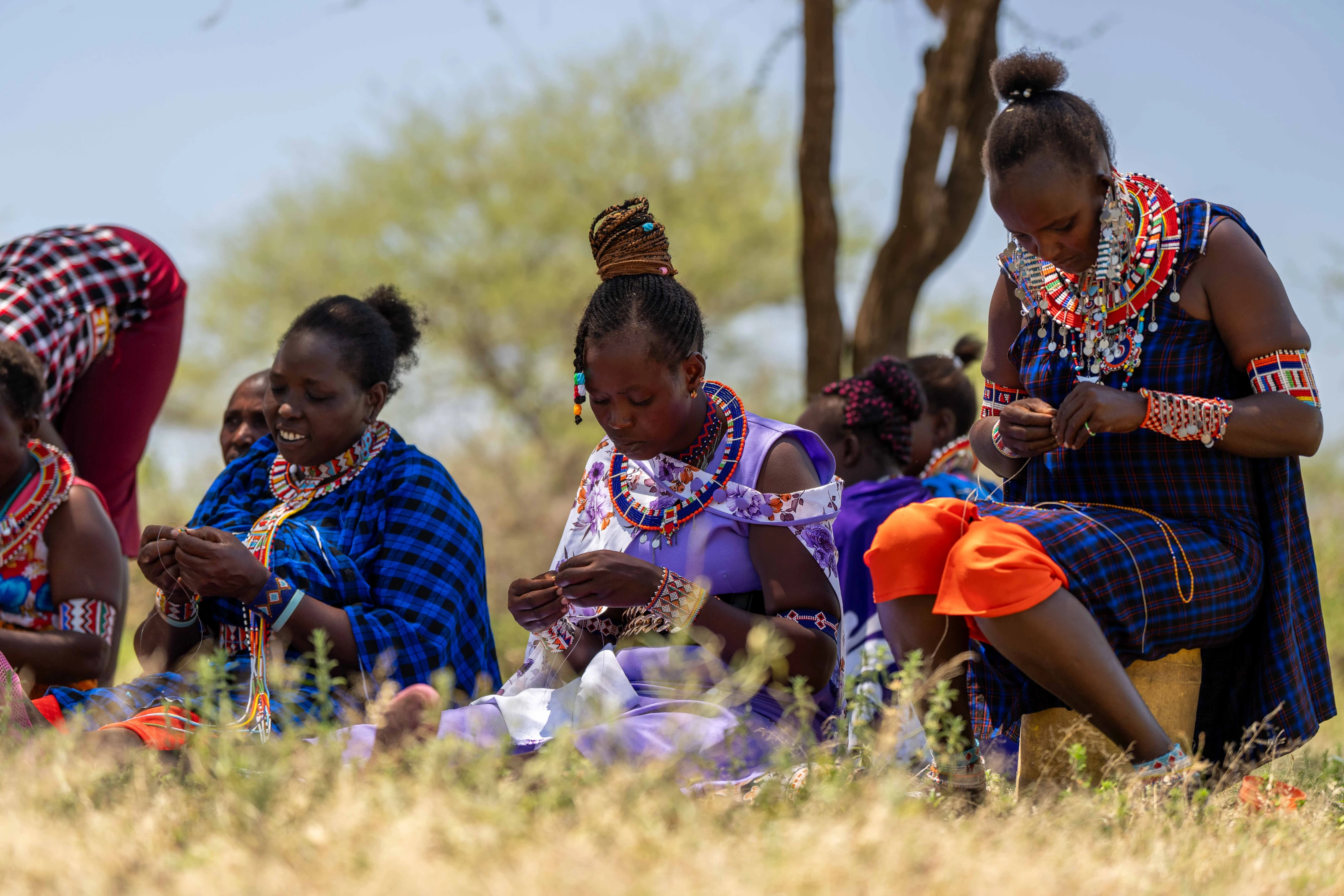
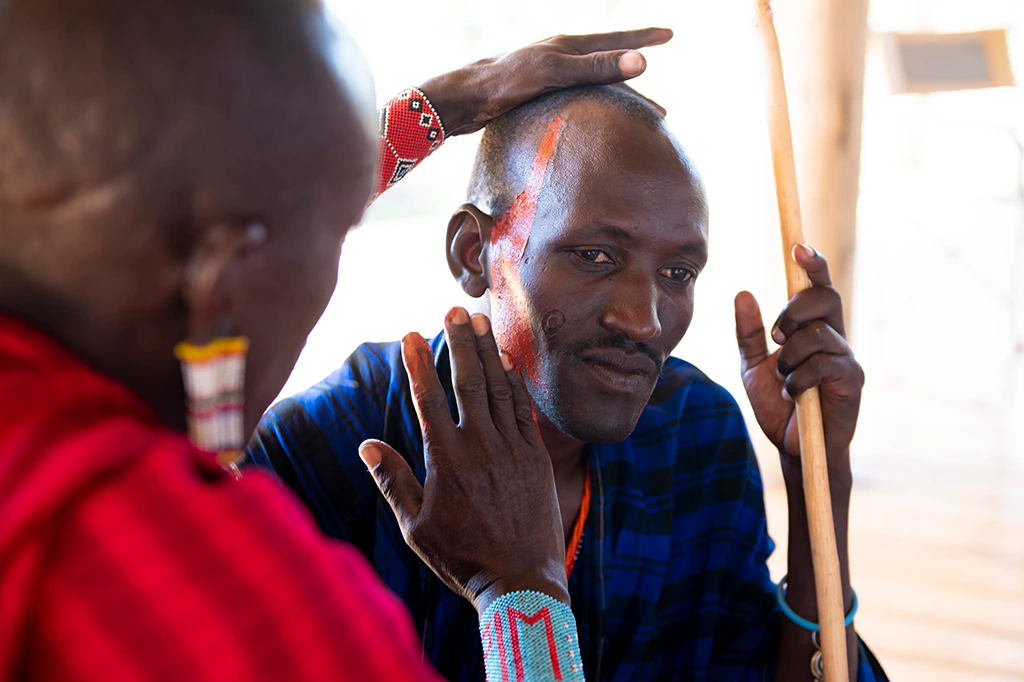
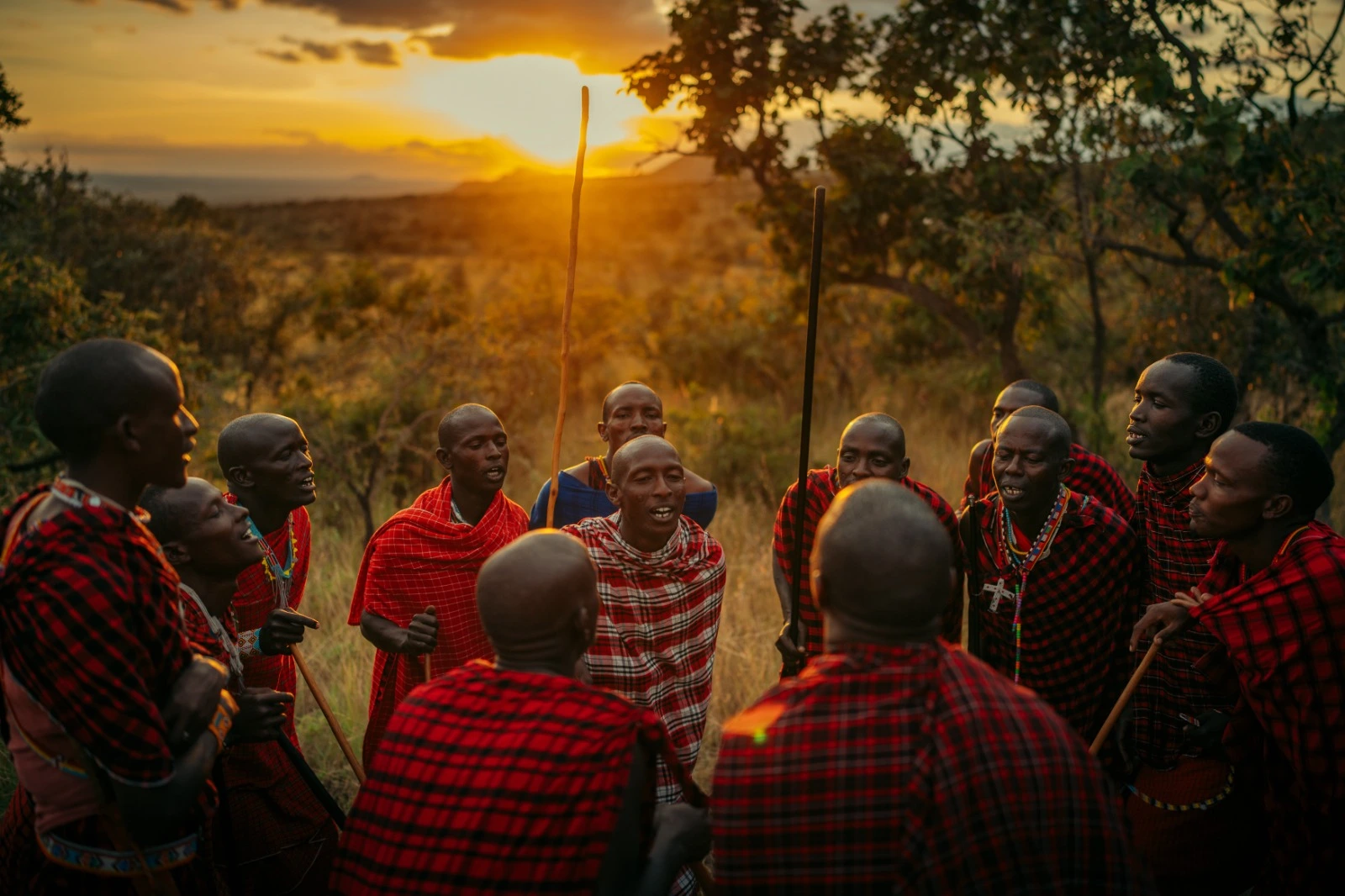
Most of Kenya's wildlife lives outside national parks, on land owned by communities. Maasai herders know the migration routes, the waterholes and the seasons, and their knowledge is the foundation of any plan that works. The aim is to let pastoral livelihoods and wildlife share the same land.
The Role of Conservation Projects
Good projects combine habitat protection, ranger patrols and research, and work with the people who live on the land. On Kuku Group Ranch, community rangers patrol every day, and no elephant has been poached there since 2015.
Protecting Wildlife for the Future
Elephants need space to move. A fence across an old route can cut a herd off from water or from the Chyulu Hills, and that is why keeping land open matters as much as guarding animals. Conservancy leases pay landowners to keep land open for wildlife.
A Shared Responsibility
Protecting elephants takes communities, conservation groups, researchers and responsible travellers working together. When you stay with us, part of what you pay goes straight into this work.
Read about MWCTThe trust that owns our lodges and protects 417,608 acres→