Regenerative Safari · Southern Kenya
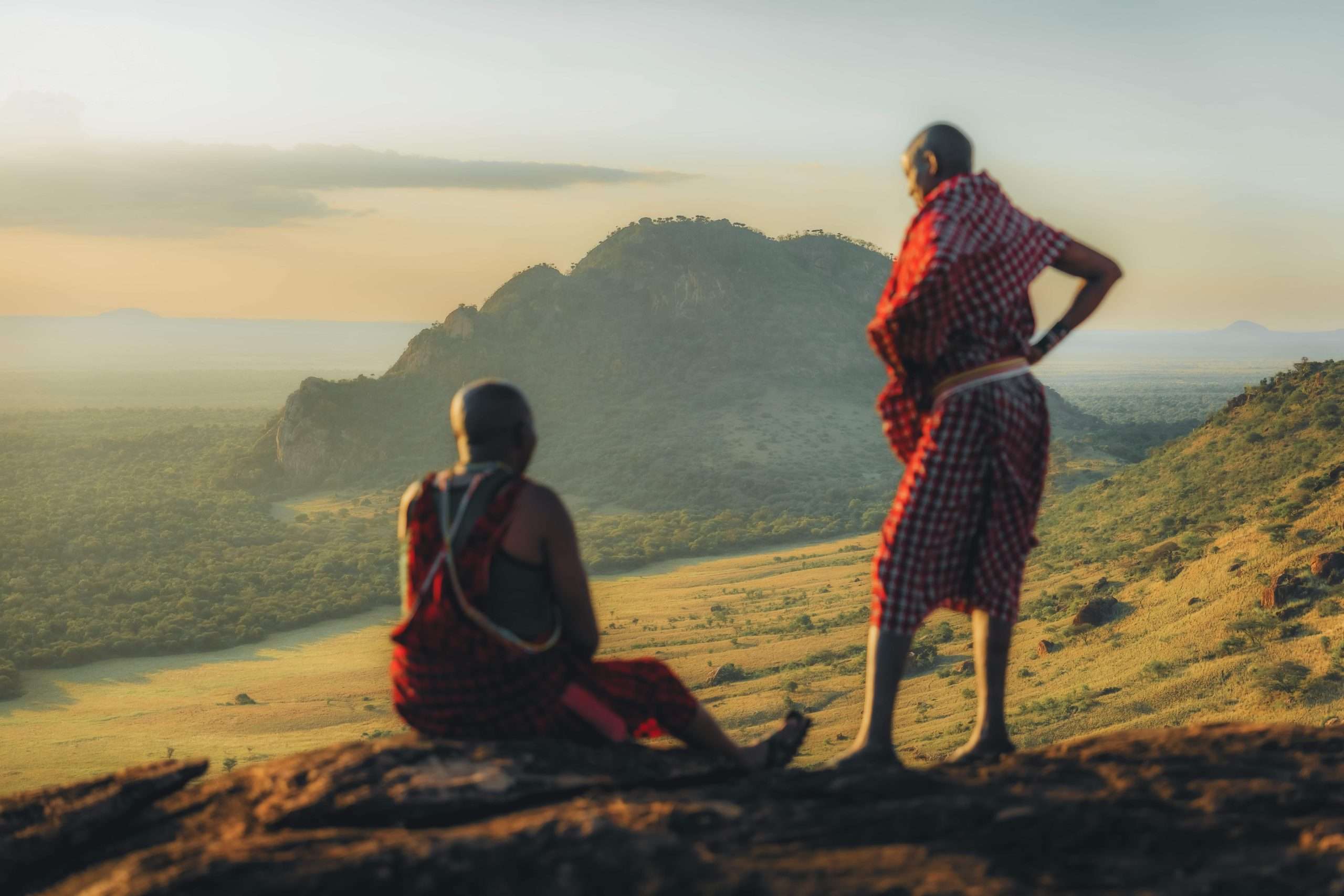
One idea, tested on Maasai land since 1996: wildlife must be worth more alive than dead.
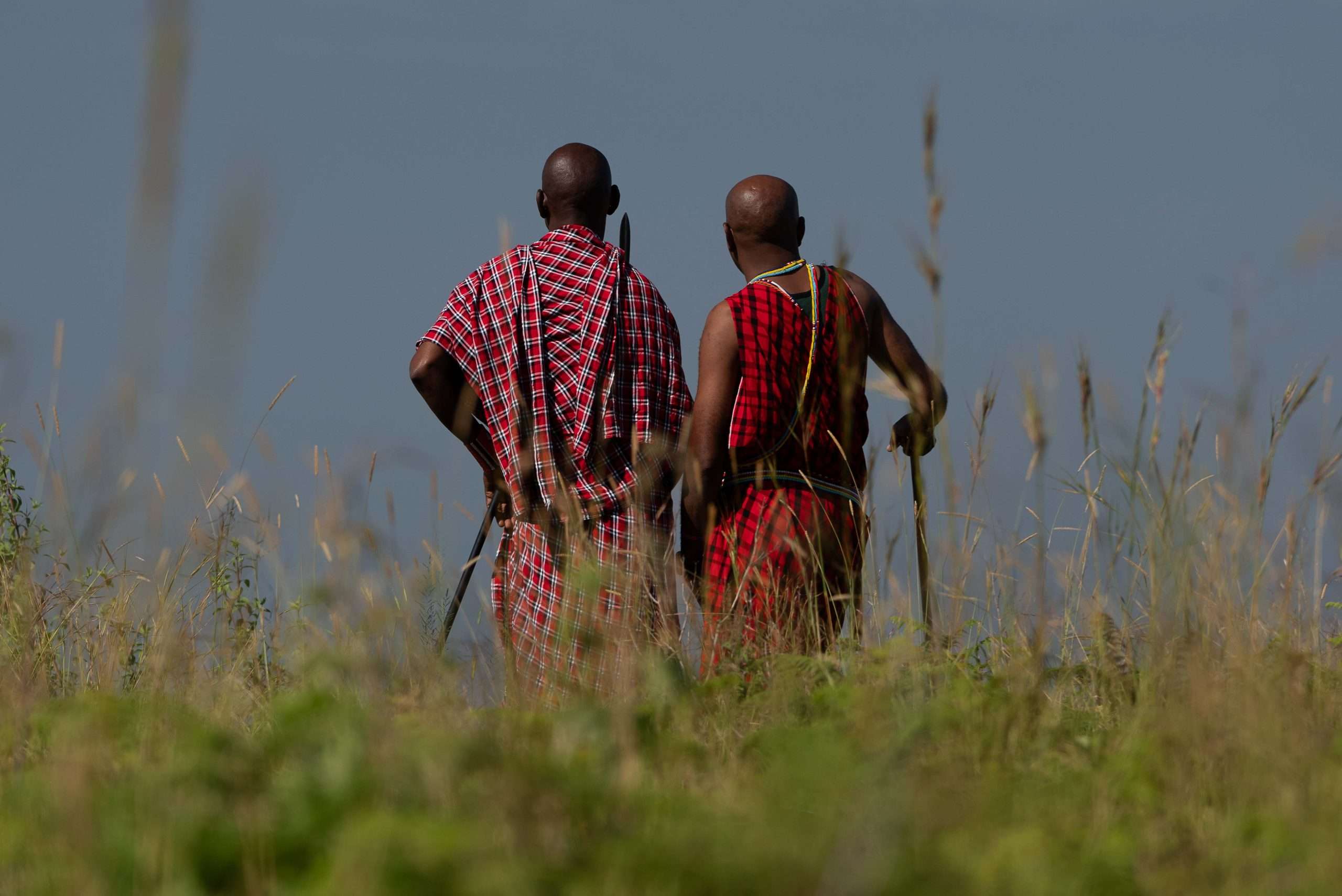
This is not a safari brand designed in a boardroom.
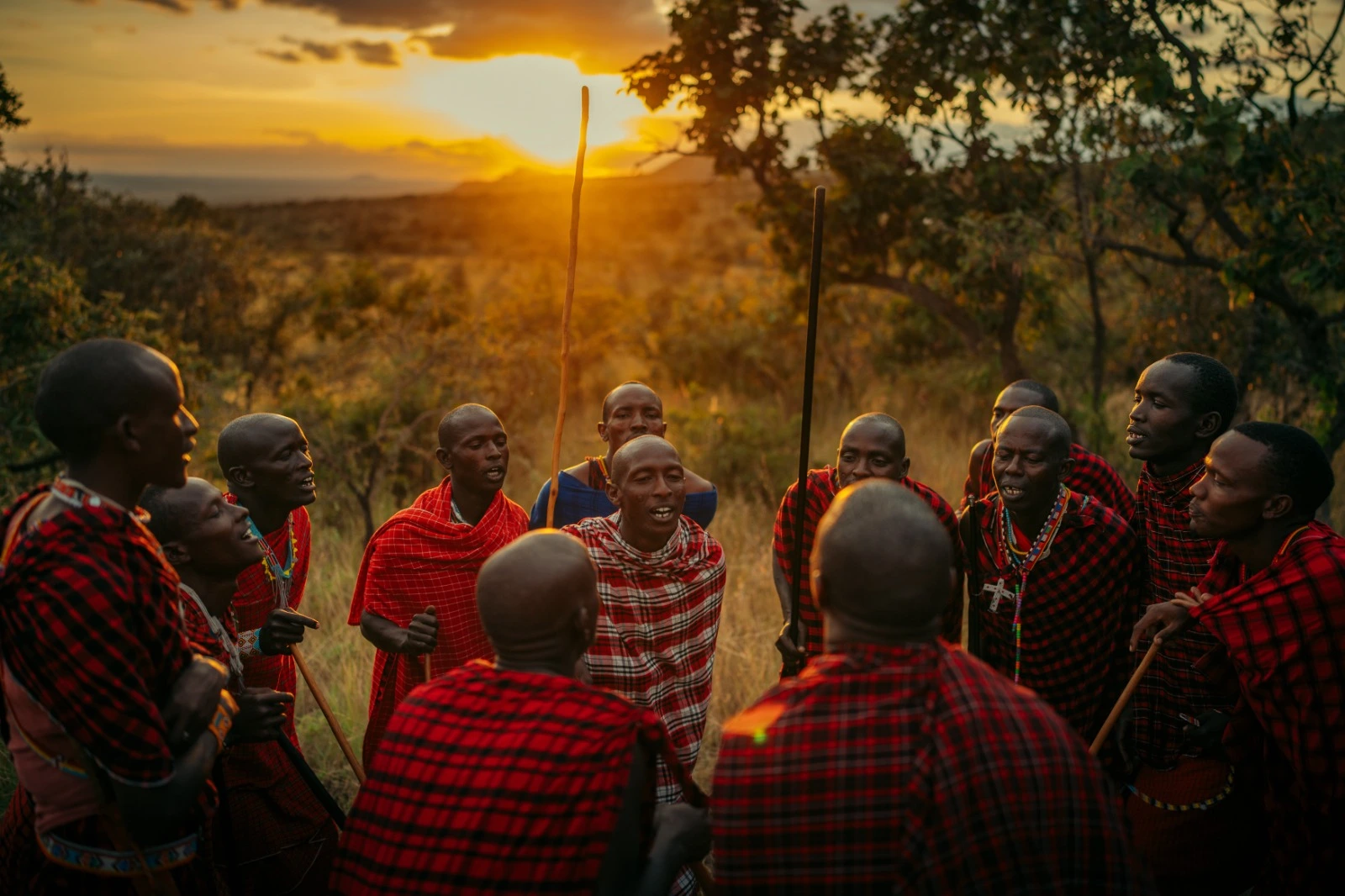
Campi ya Kanzi and Chyulu Lodge are luxury safari lodges on Maasai land in Kenya's Chyulu Hills, between Amboseli and Tsavo West national parks. The story began in 1975, when Luca Belpietro first saw these hills as a young boy on a family safari. Twenty years later he came back with Antonella Bonomi and put a proposal to the Maasai landowners of Kuku Group Ranch: a camp whose guests would pay to keep the land wild. The two of them lived in a small tent for two years while they built Campi ya Kanzi. The first guests arrived in December 1997, to a camp powered entirely by the sun, long before sustainability became a marketing term.
In 2000 they founded the Maasai Wilderness Conservation Trust (MWCT) with Samson Parashina, a local chief's son who had started at Campi ya Kanzi as a waiter. Samson now chairs MWCT, and in 2012 the UN Environment Programme named him a Champion of the Earth. MWCT owns Campi ya Kanzi, Chyulu Lodge and Chyulu Wilderness Camp. The land belongs to the Maasai. MWCT manages it with them, and the lodges exist to fund that work.
The mechanism is simple. Every adult guest at Campi ya Kanzi and Chyulu Lodge pays a conservation fee of $180 a night, and that fee funds Wildlife Pays. When a lion, leopard or hyena kills a herder's livestock, the herder receives a consolation payment and the predator lives. Before Wildlife Pays began in 2007, about six lions were speared on Kuku Group Ranch every year. Since then, about one a year, usually in self-defence.
Today MWCT manages 417,608 acres of Maasai community land between Amboseli, Tsavo and the Chyulu Hills. It employs 234 community rangers and 17 Simba Scouts, most of them local Maasai, and supports six health facilities and 27 schools with more than 10,000 pupils. It is also the project office of the Chyulu Hills REDD+ Project, a carbon project that covers over a million acres and is owned entirely by local institutions. No elephant has been poached on Kuku Group Ranch since 2015.
We raised our children here, alongside Samson's children. This is our home, not a concession run from abroad, and we answer to our landlords every day. When you stay with us, you are not making a donation. You are helping the wilderness pay for its existence, for the next generations.
To make wild land worth more to its Maasai owners than any other use of it, and to let our guests see why. We do it through regenerative tourism: luxury safari, appropriate to the wild.
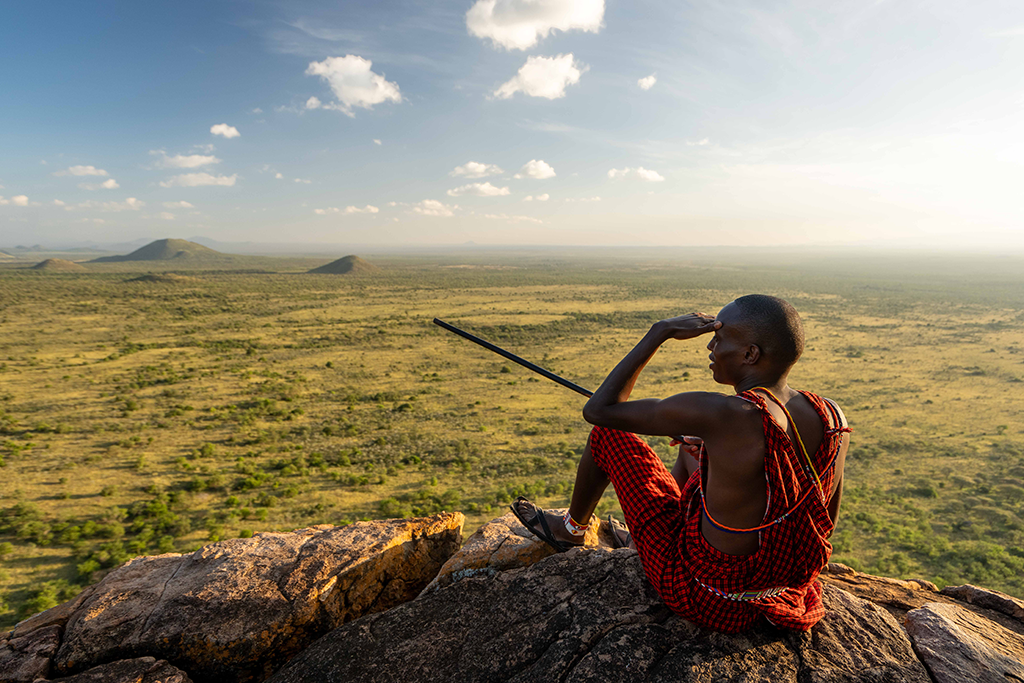
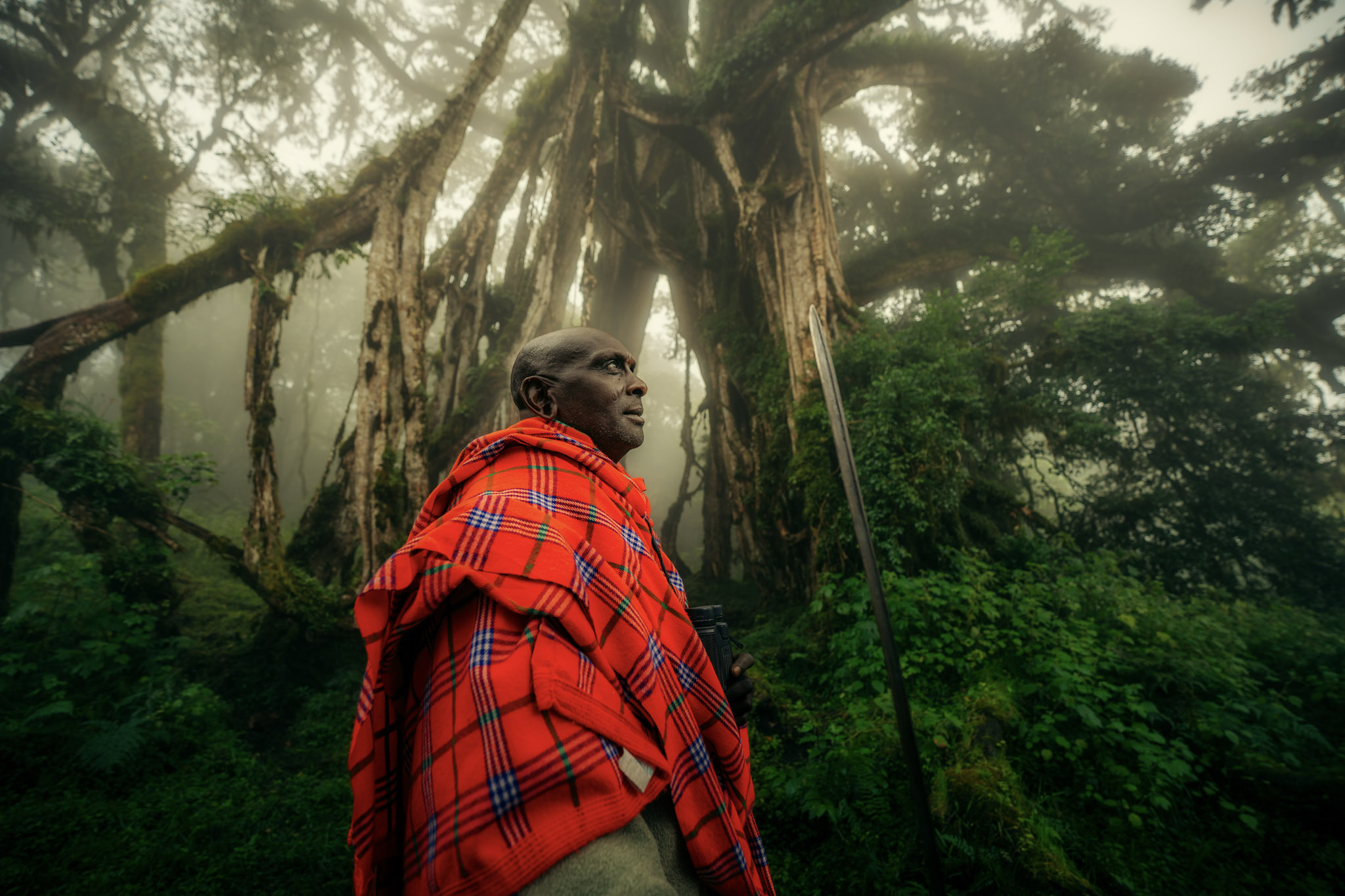
An Amboseli–Chyulu–Tsavo landscape beneath Kilimanjaro that stays open, wild and in Maasai hands, and pays for itself.
Land is not scenery. We protect working ecosystems that must sustain Maasai herds and wildlife alike, long after us.
Know More →Game drives in electric vehicles charged by the sun. You hear the bush, not the engine.
Know More →The trust our lodges exist to fund: rangers, schools, clinics and Wildlife Pays, across 417,608 acres of Maasai land.
Know More →From a tent in 1996 to 417,608 acres today.
"Tourism in wild places can only survive when people and wilderness thrive together. Everything we do follows that rule."Luca Belpietro, Founder of Campi ya Kanzi and MWCT