
Maasai Tribe Culture: Discover the Enduring Spirit of East Africa
The Maasai live across southern Kenya and northern Tanzania. Their culture rests on a close bond with land, livestock and wildlife.
The Maasai are one of the best-known peoples of East Africa. What outsiders often miss is how much of their culture is a practical answer to a demanding landscape.
The Origins and History of the Maasai
The Maasai trace their roots to Nilotic-speaking peoples of the Upper Nile region, who moved south over centuries into the Great Rift Valley and built a society around cattle. Their history is carried in oral tradition: who led, where the best grass lay, how to look after the land.
Identity and Social Structure
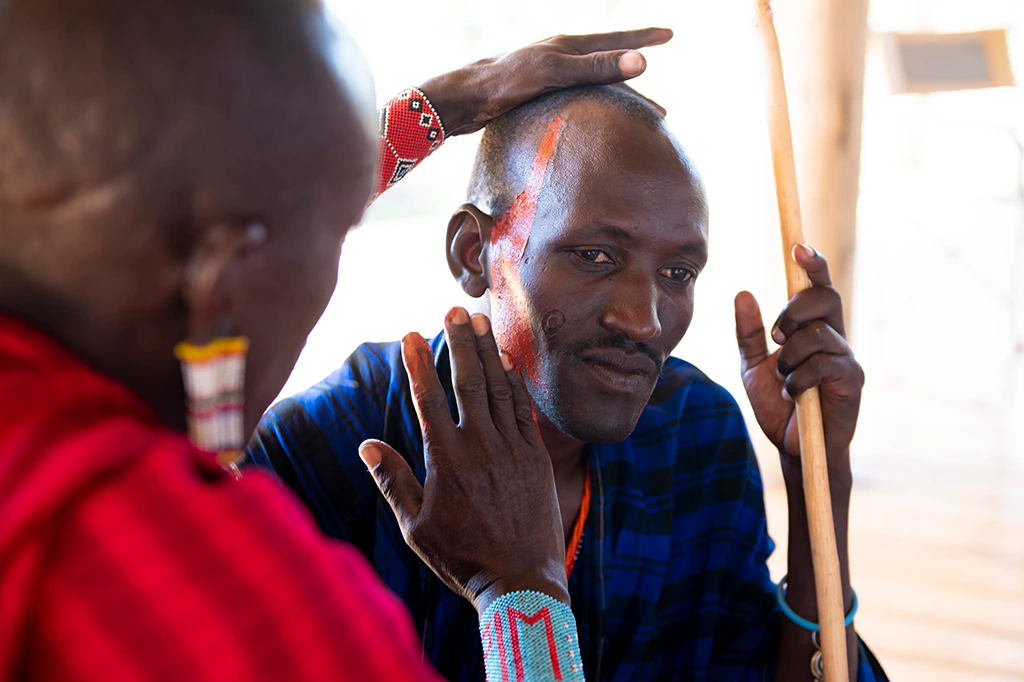
Age sets organise life. Boys who are initiated together become warriors together and, years later, elders together. Rites mark birth, initiation, marriage and elderhood, and what a person wears signals status and achievement.
Traditions and Connection to Nature
Cattle are central to livelihood, heritage and belief, and the herds' seasonal movements shaped how the land was shared. Stories and ceremonies pass on knowledge about wildlife, weather and the careful use of resources.
The Role of Warriors
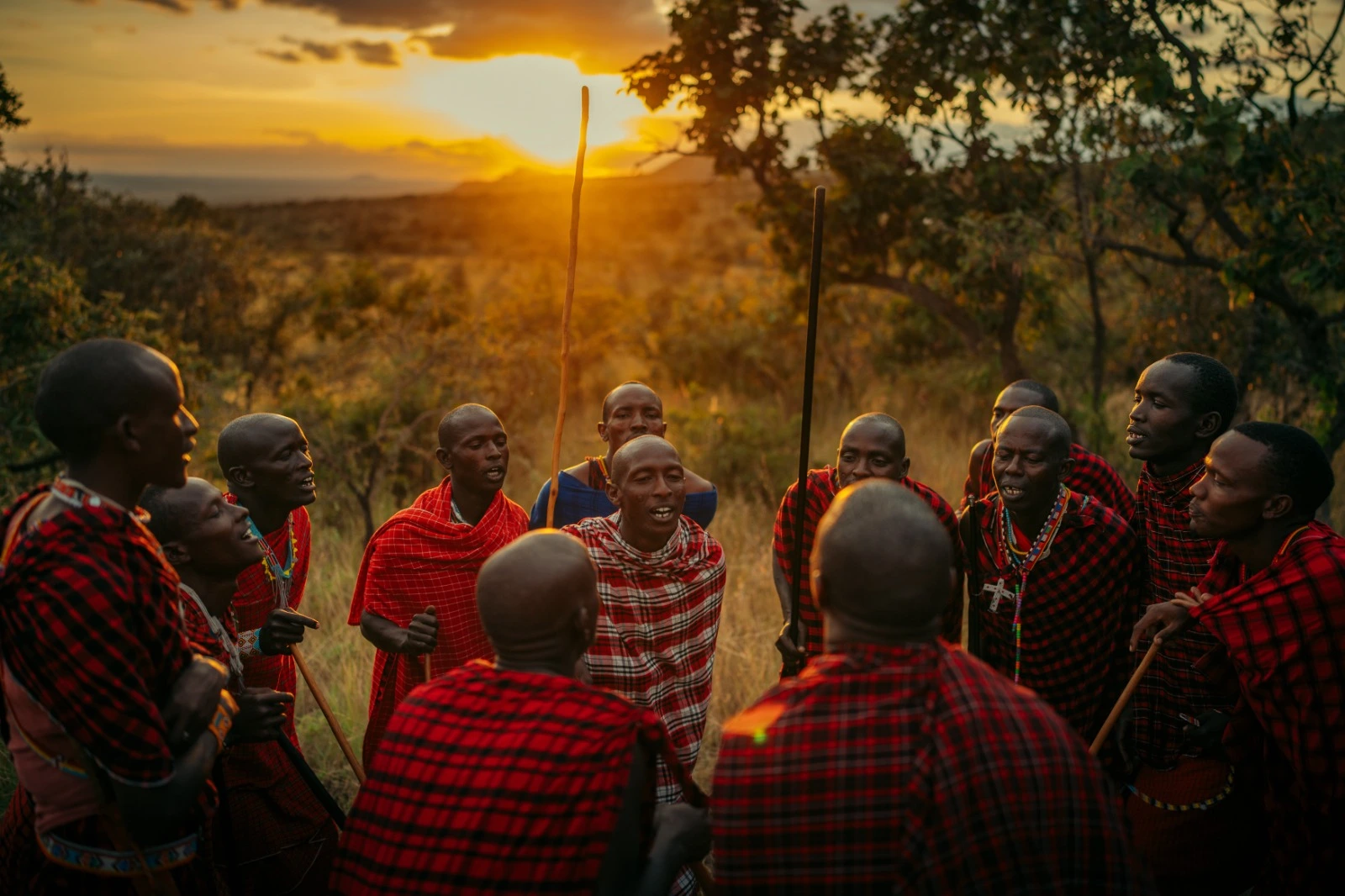
Warriorhood is a major step in a young man's life. It stands for strength, discipline and protecting the community, and it is shown in dances such as the jumping dance, a display of pride and unity.
Yesterday and Today
The great laibon Mbatian foretold much of what was to come, and after his death in 1890 his sons Senteu and Olonana, known to the British as Lenana, led a divided people. Despite the pressures since, many Maasai continue their pastoral traditions while embracing education, conservation and sustainable tourism.
Meaningful Cultural Experiences in Maasai Land
Visitors can join village visits, beadwork workshops, storytelling, guided nature walks and herding. Done respectfully, they support local livelihoods.
A Living Heritage to Experience First-Hand
The Maasai's strength lies in their ties to place, identity and one another. The best way to understand it is to meet them on their own land.
Read the full historyFrom the Emutai to the 1913 court case→