Regenerative Safari · Southern Kenya
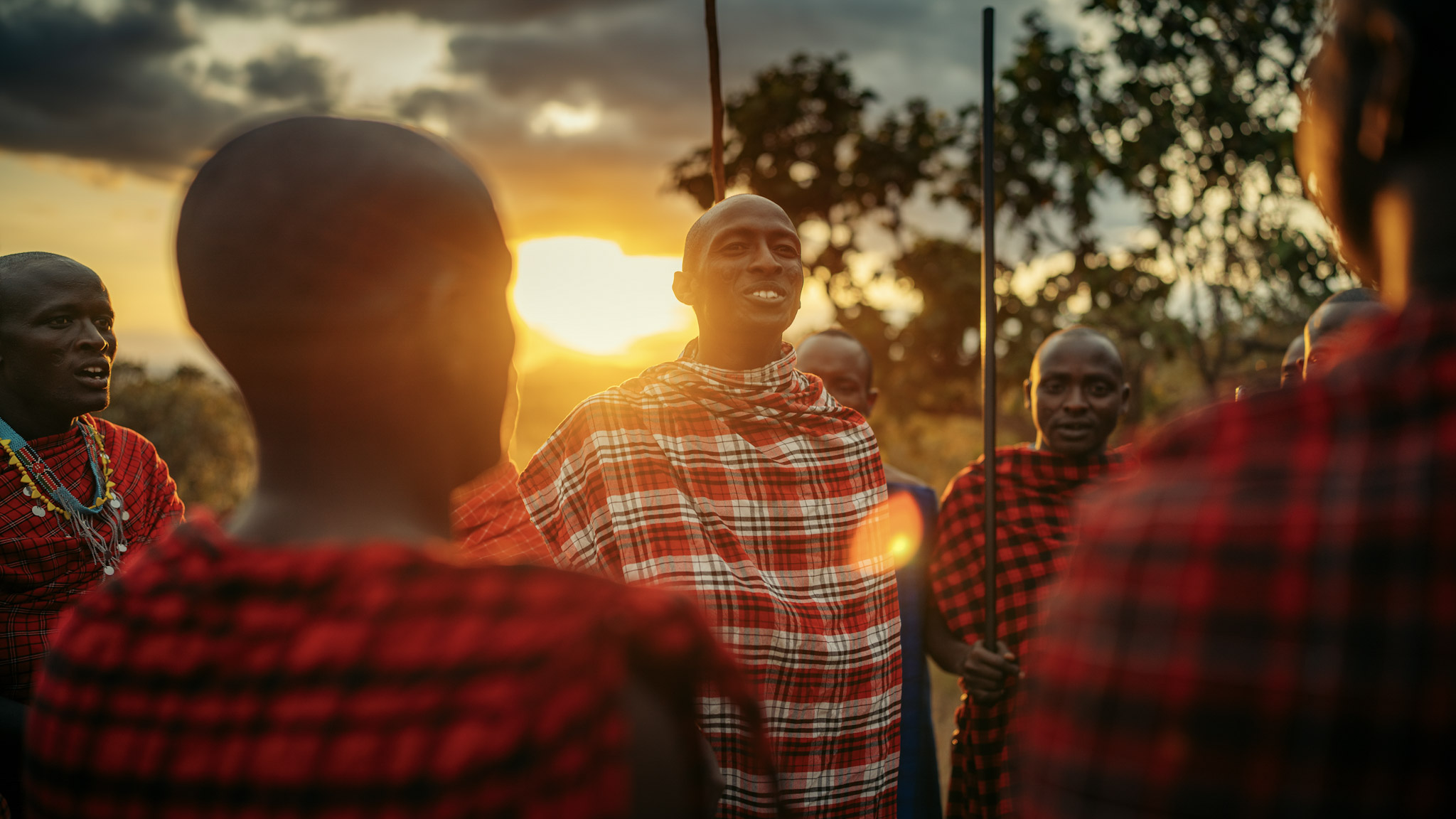
The people who speak Maa, and who own the land we live on.
Around AD 60, Nero sent a small party of soldiers up the Nile to find its source. The Stoic philosopher Seneca heard two of their centurions describe the journey. Far upriver they had reached marshes so vast that even the people living there did not know where they ended, and so choked with plants that only a boat for one man could pass. This was most likely the Sudd, in today's South Sudan. They turned back.
South of the swamps lay a world Rome never knew. Linguists place the first home of the Eastern Nilotic peoples there, in Equatoria, where their languages began to divide about 3,000 years ago. Over time some of their descendants moved south with their herds, following water and grass across East Africa. From them came the Maa-speaking peoples, who spread down the Rift Valley in the last few centuries.
You may hear that the Maasai owe their red cloth, braided hair and short swords to Roman soldiers. Most likely, it is just a good story for the campfire. The centurions turned back more than 1,500 years before Maasai herds reached these plains. Roman soldiers kept their hair short; among the Maasai, only warriors grow theirs long. And red needed no import: at Olorgesailie, in Kajiado County, where Campi ya Kanzi also lies, humans were working red ochre more than 300,000 years ago.
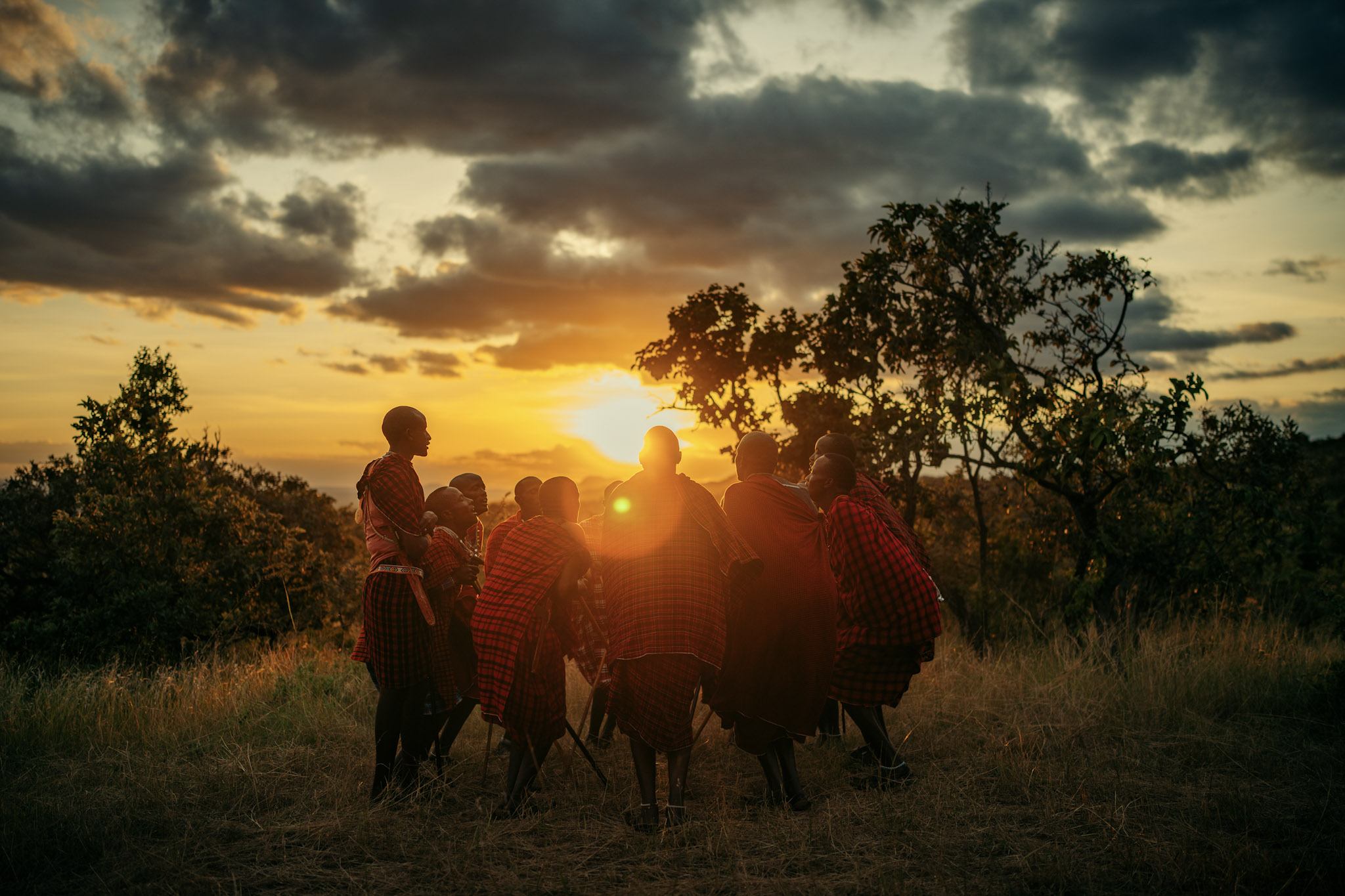
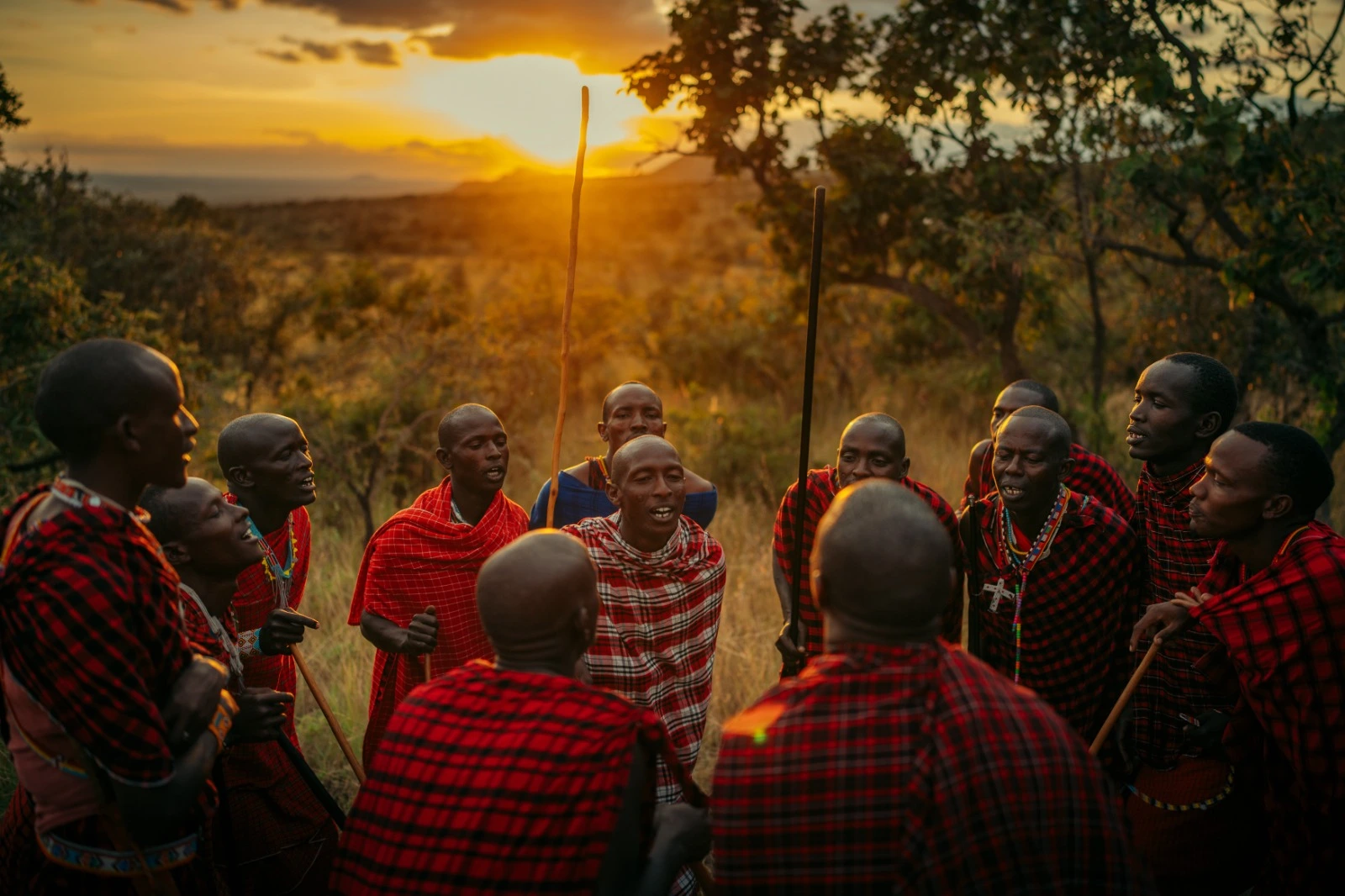
The Maasai are a people of southern Kenya and northern Tanzania, traditionally semi-nomadic cattle herders. In Kenya alone, the 2019 census counted 1,189,522. The name Maasai means, in essence, the people who speak Maa, an Eastern Nilotic language. For most of Maasai history nothing was written down. History, law, genealogy, the knowledge of grass and water, and the difference between right and wrong passed from one person to the next, by word and memory. Maasai is the modern spelling. Masai, the colonial one, survives in old maps and treaties.
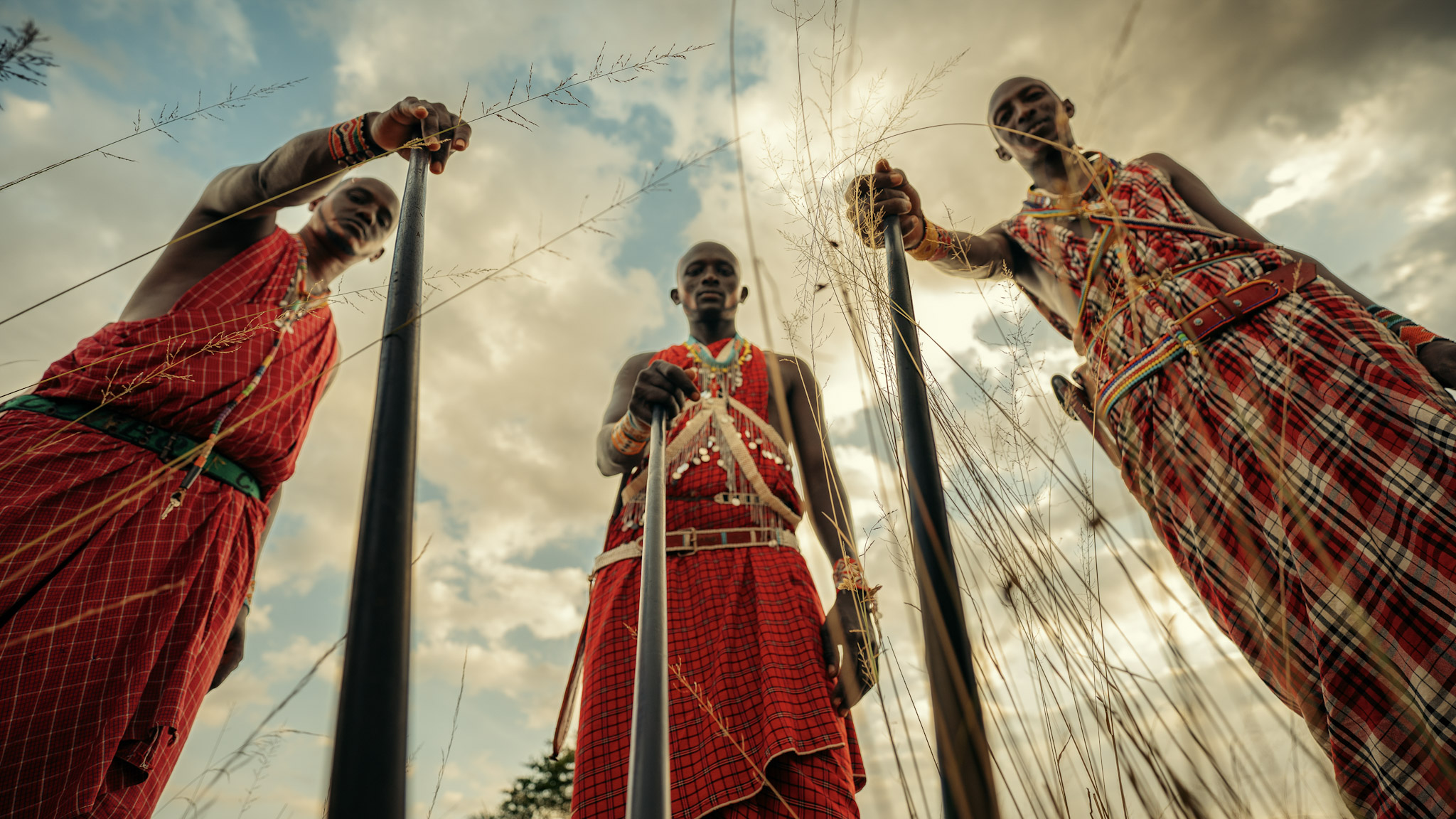
Cattle are food, wealth and security to the Maasai. They also seal marriages, bind families to one another and pass from one generation to the next. In Maasai belief, cattle were a gift from Enkai, God.
Cattle need land, and more than one kind of it: fresh grass after the rains, permanent water in the dry season, highland pasture when the plains fail, a refuge in drought. So for centuries Maasai herding depended on movement. Grazing and water were shared by agreement, season and custom rather than divided into private plots, and in a hard year a neighbour's cattle were let in, because refusing them water could ruin a family.
Land that looks empty to a visitor is usually being rested. A dry-season pasture left untouched for months is a herder's savings account. That idea is still at the heart of conservation here.
Many places safari travellers know still carry their Maa names, and they read like a herder's notes on water and land. Nairobi comes from Enkare Nairobi, "cool water"; Naivasha from Nai'posha, "rough water"; Amboseli from Empusel, "salty dust". Mara simply means "spotted", for the trees scattered across its plains.
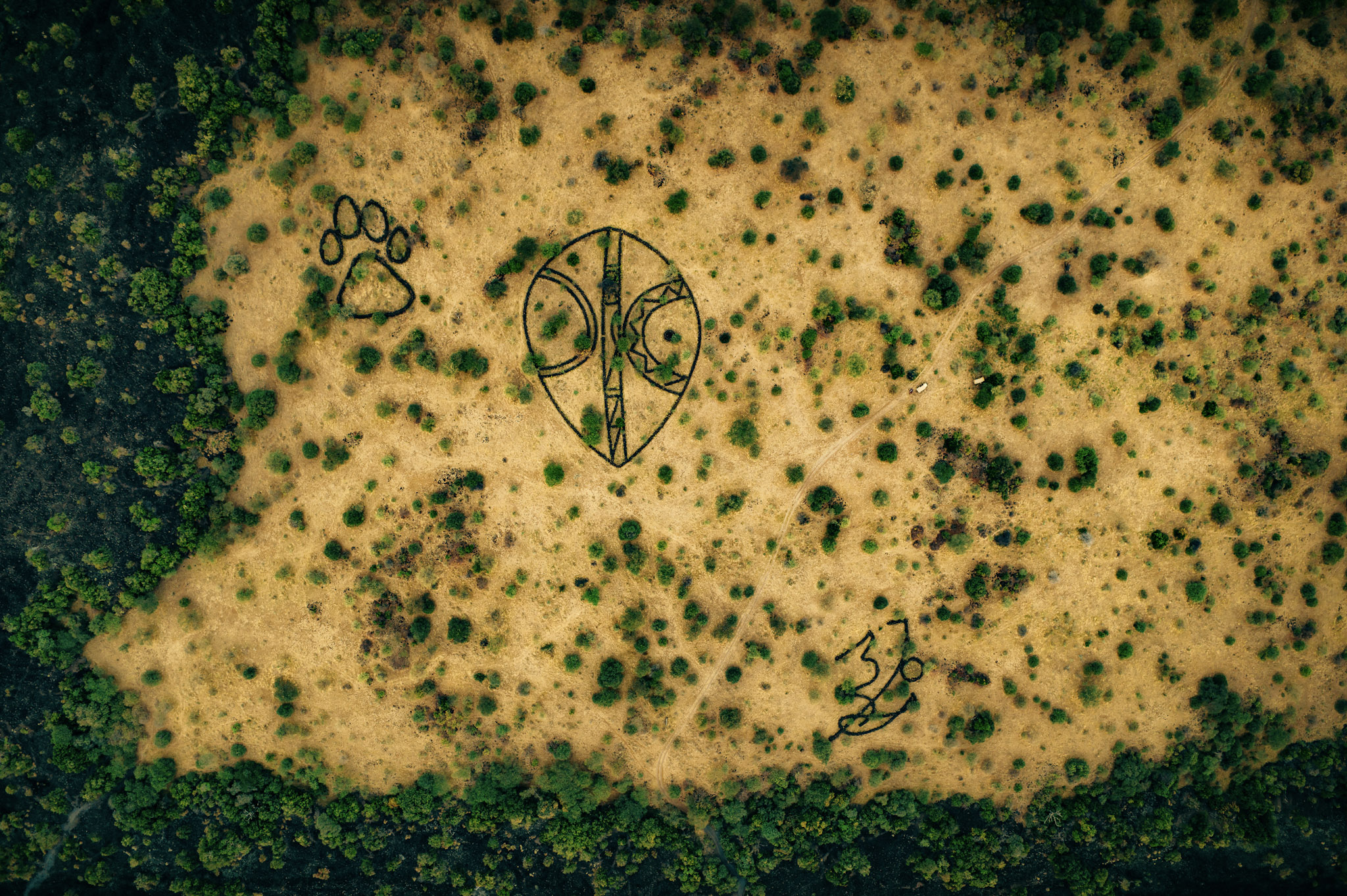
By the eighteenth and nineteenth centuries Maa-speaking herders were among the strongest powers of the East African interior, from northern Kenya deep into today's Tanzania. Swahili and European caravans knew their reputation long before any colonial government arrived.
In 1883–84 the Scottish explorer Joseph Thomson, travelling with a trading caravan, became the first European to cross Maasai land from the coast to Lake Victoria, by way of Kilimanjaro. His book, Through Masai Land, became a bestseller in 1885 and inspired H. Rider Haggard to write King Solomon's Mines. And no, Thomson did not name the gazelle after himself: it was named after him. The waterfall he did name, for his father: Thomson's Falls, at Nyahururu.
Maasai men move through life in age sets. Boys initiated together become ilmurran, usually translated as warriors, and years later become elders together. The bond lasts a lifetime. The ilmurran defended cattle, pasture and people, and spearing a lion brought great prestige, because it proved what a warrior was meant to have: courage, judgement and the will to defend the herd.
On Kuku Group Ranch the lion is still a warrior's business, in a new way. The Maasai Wilderness Conservation Trust (MWCT) employs young Maasai warriors as Simba Scouts. They track lions, warn herders to move their cattle, and calm tempers after a kill. In 2025 they stopped five lion hunts. Traditions that adapt are the ones that survive.
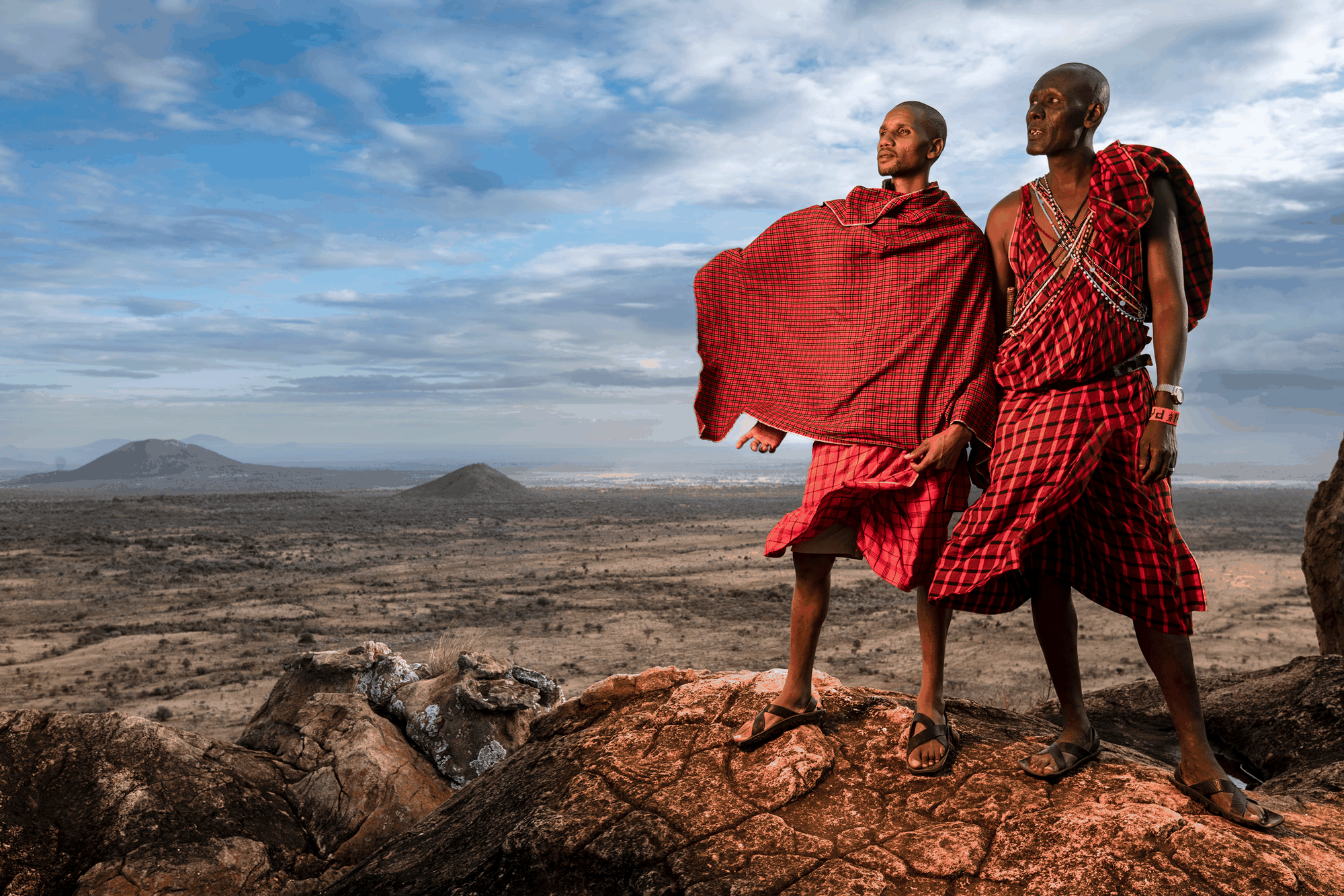
The Maasai remember the end of the nineteenth century as the Emutai, the disasters of 1883 to 1902. Bovine pleuropneumonia reached their herds in 1883. Rinderpest followed in 1891 and killed perhaps nine cattle in ten. Smallpox, drought and famine struck the people. By one estimate, two-thirds of the Maasai died. A society built on cattle lost its foundation at the very moment the British arrived.
Mbatian, the great laibon of the Maasai, their prophet, healer and ritual leader, is remembered for foretelling what came: smallpox, a war against a powerful enemy that the Maasai would lose, and an iron snake that would cut Maasailand in two. He died in 1890, and a war of succession between his sons, Senteu and Olonana, known to the British as Lenana, divided his people further. Mount Kenya's highest peak, Batian, is named after him, and Point Lenana after Olonana.
In the 1890s the British had few soldiers and needed safe routes inland. The Maasai needed time and security to rebuild their herds. An informal alliance followed: Maasai warriors marched with British expeditions, and British officials backed Olonana and other Maasai leaders. For a few years it suited both sides. Then came the railway, Mbatian's iron snake. Settlers followed, and land acquired a price.
.jpg)
In August 1904, Olonana and other Maasai leaders signed an agreement that moved their people out of the central Rift Valley, around Naivasha, into two reserves: one in the north, on the Laikipia plateau, and one in the south. The agreement promised that the settlement "shall be enduring so long as the Masai as a race shall exist", and that no European settlers would take up land in the reserves.
It lasted seven years. Laikipia was high, well watered and ideal for cattle, and settlers wanted it. In 1911 a second agreement was obtained from a limited group of Maasai representatives, and the northern Maasai were moved again, at gunpoint, with their families and herds, into an enlarged southern reserve. The historian Lotte Hughes estimates that the Maasai lost at least half of their land to the colonial government, and perhaps as much as 70 per cent.
Percentages miss the point. A surveyor saw acreage. To the Maasai, Laikipia was the highland pasture, permanent water and drought refuge of a system that only worked whole.
The Maasai answered with a lawsuit. In 1912 Parsaloi Ole Gilisho, an age-set spokesman of the Purko Maasai, brought it against the Attorney General of the East Africa Protectorate. Their lawyer, Alexander Morrison, was found for them by Norman Leys, a Scottish doctor in the colonial service. They asked the court to declare the 1911 agreement invalid and give them back Laikipia. The case still carries the name of its lead plaintiff, Ole Gilisho's son-in-law Murket Ole Nchoko, as the British spelled it: Ol le Njogo.
The move also cost the governor his job. In 1912 the Colonial Office, convinced that Sir Percy Girouard had misled it about promising Maasai land to settlers, forced him to resign.
The High Court threw the case out in May 1913, and the Court of Appeal dismissed it that December. Neither court found the move just. They found they could not judge it: the agreements were treaties, made as Acts of State, beyond the reach of a colonial court. The Maasai had turned to British law against the British government, and British law declined to hear them. Laikipia was never returned.
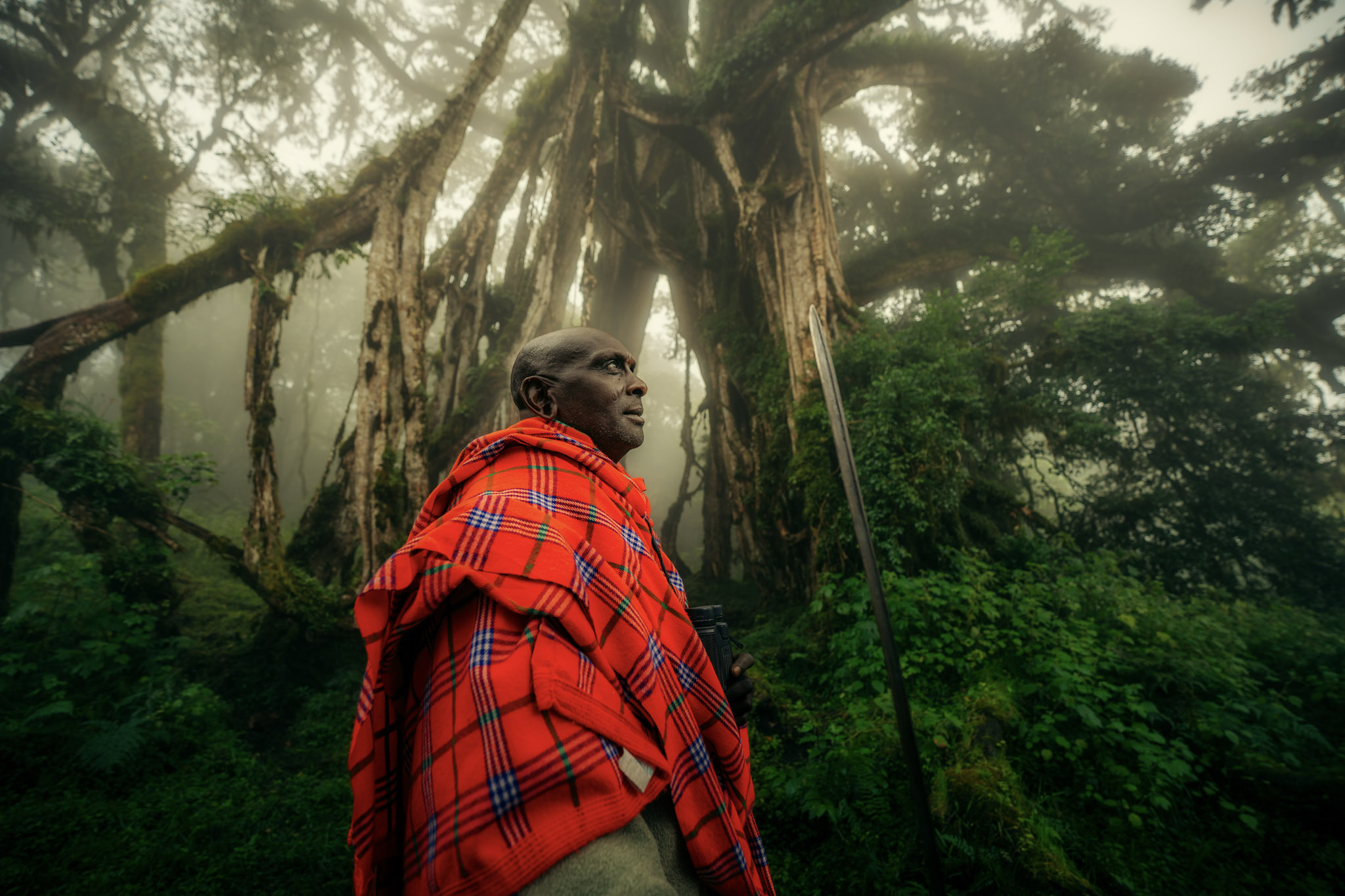
Much of what visitors recognise as Maasai grew from this bond between people, cattle and land. The enkang, the homestead, keeps families and cattle together inside a ring of thorns. Women build the houses, run much of the household economy and make the beadwork for which the Maasai are known. Children learn responsibility early, herding calves and goats. Warriors protect; elders remember and decide. The age sets run through all of it.
There is no single Maasai way of life today. Some Maasai are herders. Others are teachers, doctors, pilots, lawyers, conservationists, entrepreneurs and politicians, and many move between the two worlds in the same week.
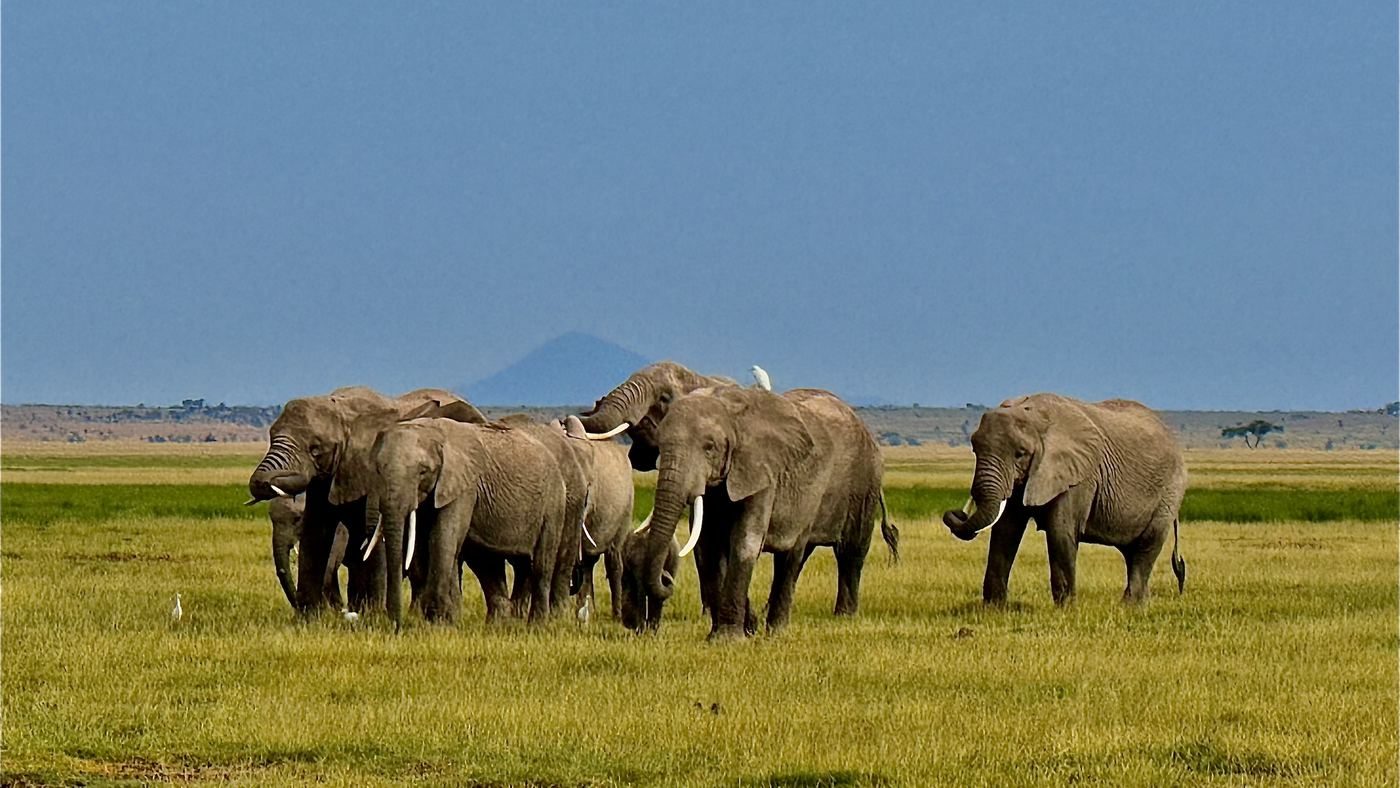
The danger now is fragmentation. From 1968, Kenyan law organised Maasai communal land into group ranches, and in many places these were later divided into private plots. A fence changes more than ownership. It can stop cattle reaching dry-season grass, block elephants walking between Amboseli and the Chyulu Hills on routes far older than any map, and make both herding and wildlife impossible, even when every owner who puts one up is acting rationally.
That is why conservation in Maasailand means protecting the whole landscape that herds and wildlife share. On Kuku Group Ranch the pressure to subdivide is real, and keeping the land open is MWCT's most urgent work. Conservancy leases pay landowners to keep land open for wildlife, and Wildlife Pays, which gives herders a consolation payment when predators kill their livestock, makes it possible to live with lions on it.
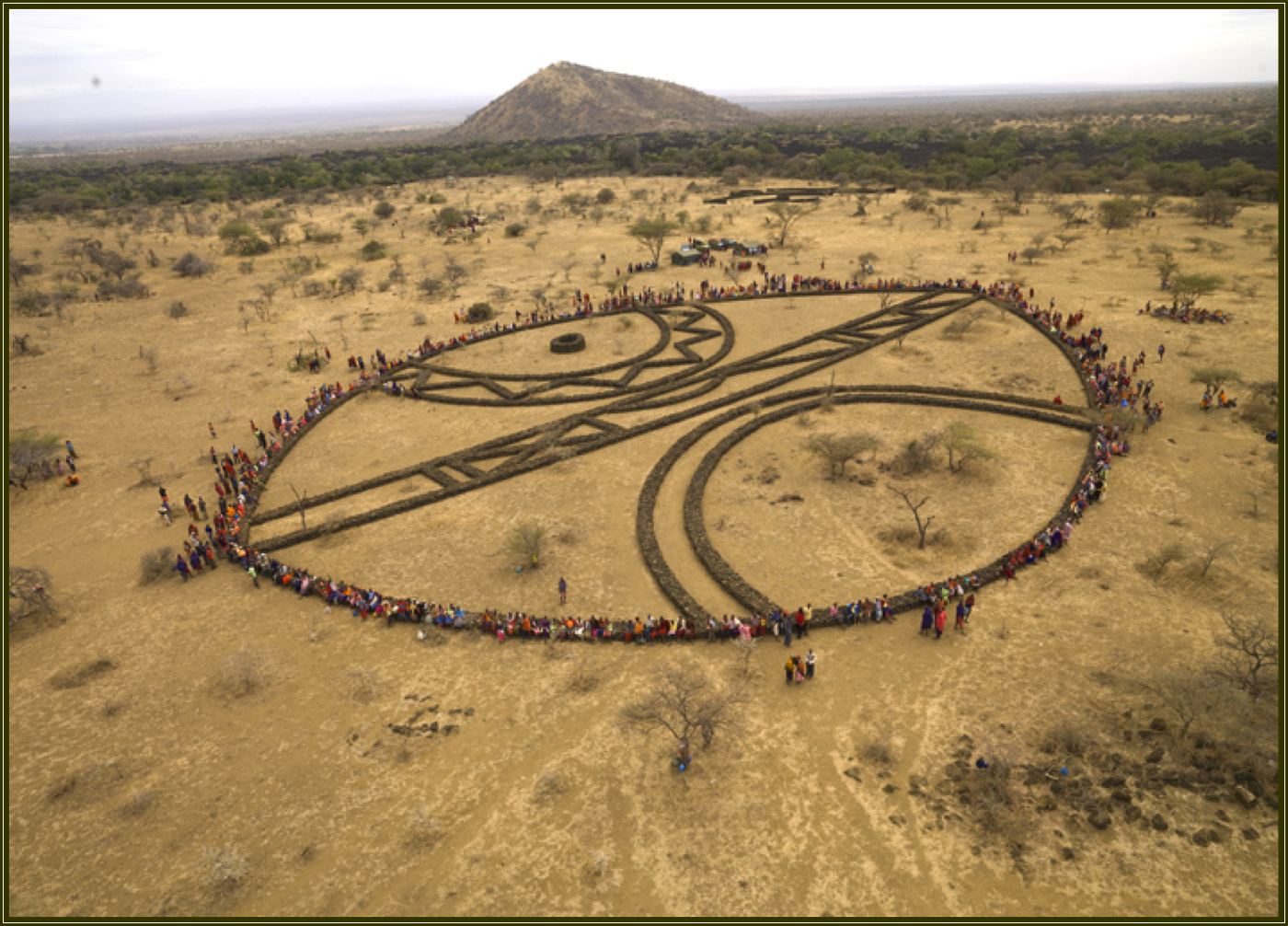
We have lived on Kuku Group Ranch since 1996, on land that belongs to the Maasai. Here they own the land, decide its future and do most of the work of protecting it. Samson Parashina, who chairs MWCT, is a Maasai from Kuku. So are its rangers, its Simba Scouts and the officers who check every Wildlife Pays claim. The plains around Campi ya Kanzi are open because the Maasai have chosen to keep them open, and lions live here because herders tolerate them among their cattle.
Campi ya Kanzi and Chyulu Lodge, our luxury safari lodges, are the only two lodges on Kuku and Rombo Group Ranches, more than 300,000 acres of Maasai land. MWCT owns both.
The Maasai understood long before the word conservation existed that land, people, cattle and wildlife are one living system. Stay with us and you are their guest, on land they have chosen to keep wild. Your stay helps them keep it that way.
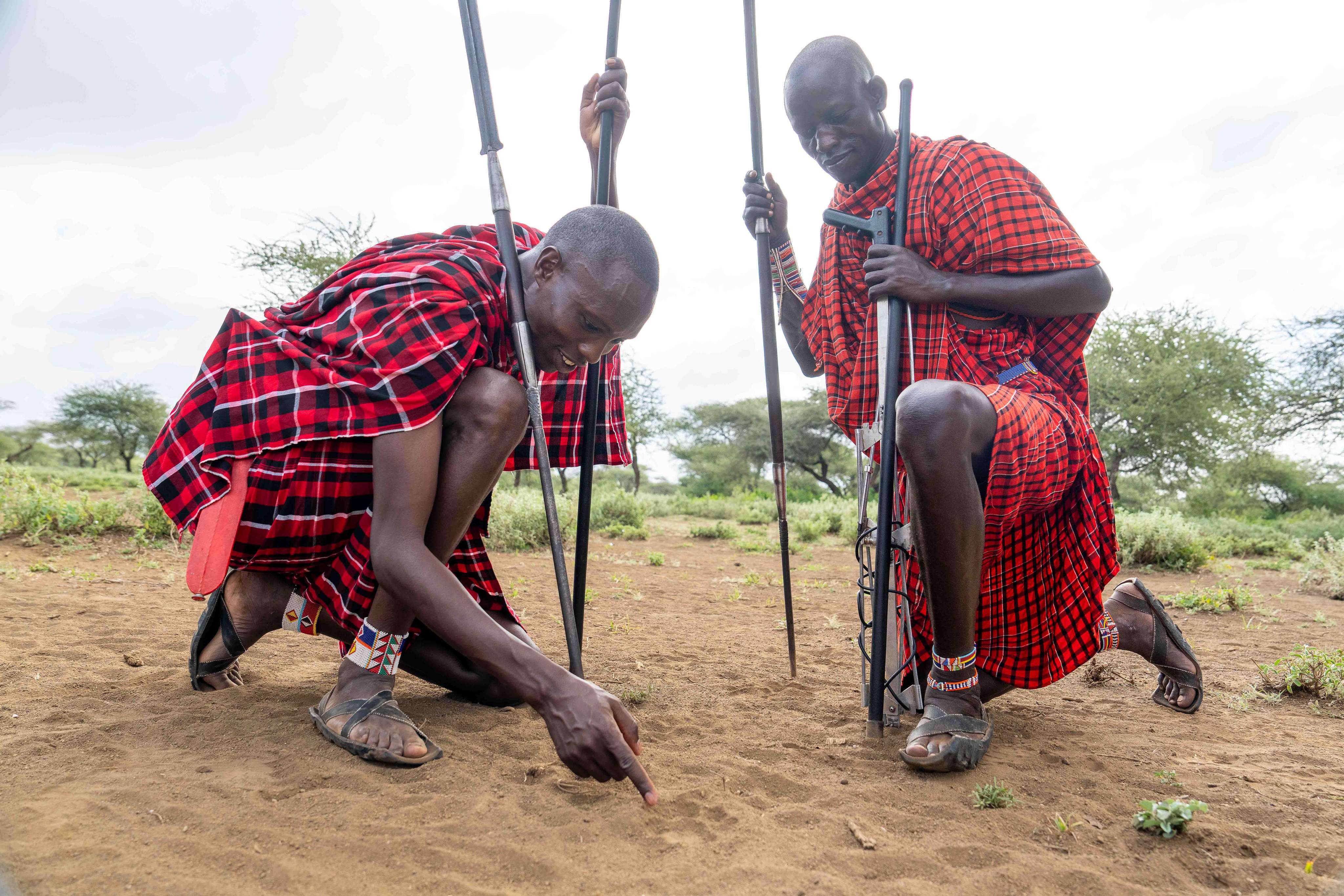
A visit to a Maasai village is included in every stay at Campi ya Kanzi and Chyulu Lodge. You can also walk with Maasai guides, spend an afternoon with the elders, learn beadwork from Maasai women and track lions with the Simba Scouts: ask us to add any of them to your stay.
Plan Your VisitA people of southern Kenya and northern Tanzania, traditionally semi-nomadic cattle herders, who speak Maa. In Kenya alone, the 2019 census counted 1,189,522.
The people who speak Maa, an Eastern Nilotic language of southern Kenya and northern Tanzania.
Most likely not. Nero's soldiers reached the Sudd swamps around AD 60 and turned back, more than 1,500 years before Maasai herds reached southern Kenya. There is no evidence of any contact.
Humans in this part of Kenya were working red ochre more than 300,000 years ago, and the Maasai coloured hides, hair and skin with it long before cotton cloth replaced hides in the twentieth century.
Under the 1904 and 1911 agreements with the British, at least half of it, and perhaps as much as 70 per cent, by Lotte Hughes' estimate.
Yes. A visit to a Maasai village is included in every stay at Campi ya Kanzi and Chyulu Lodge, our luxury safari lodges on Maasai land between Amboseli and Tsavo West national parks.